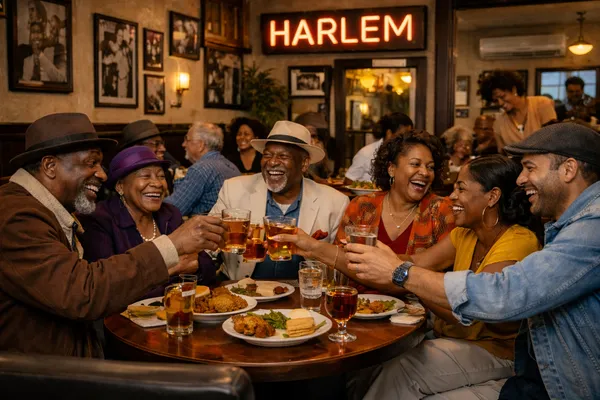
Harlem Businesses Are More Than Businesses—They’re History
Harlem’s businesses are woven into the community’s soul, reflecting struggles, triumphs, and identity. They aren’t just companies—they’re legacies carrying the heartbeat of a rich, resilient history. Understanding harlem business history means honoring the spirit that kept a neighborhood thriving against all odds. A stroll along Lenox Avenue or 125th Street offers more than commerce; it’s a living archive of Black America’s creativity, grit, and kinship. Every shopfront, old or new, is a chapter in a narrative nearly as old as Harlem itself.
What You'll Learn About Harlem Business History
How harlem business history shapes community identity
Why black businesses in Harlem serve as informal cultural institutions
The risk of losing Harlem’s story as businesses close or remain undocumented
The role of digital presence and documentation in preserving greater Harlem’s legacy
Throughout Harlem’s streets, history lingers in generations-old salons, famed restaurants, and spirited jazz clubs. Each business, from the smallest beauty parlor to renowned eateries like Sylvia’s, carries stories that bind Harlem residents, black business owners, and the wider world to the unique tapestry of African American experience. Documenting this legacy is both an act of remembrance and resistance against the risk of cultural erasure—especially as new businesses rise and original voices grow quieter.
Walking Through Harlem: The Living Archive of Harlem Business History
On 125th Street, a barbershop is as important as any museum—the laughter, the politics, the lessons all live within these walls.
The hum of clippers in a barbershop, the rhythms spilling out of a jazz club, or the aroma of home-cooked food from a corner kitchen—these everyday moments become the living archive of harlem business history. In Harlem, where migration, art, and activism have intersected for generations, businesses do more than offer goods or haircuts. They anchor community memory. They are where elders recount the struggles of black tenants against white landlords, or the church groups who supported the civil rights movement. Each storefront is a vault of living, breathing history.
The significance of these businesses is especially evident when considering the Harlem Renaissance, a period that saw a flourishing of Black-owned establishments that became cultural and social epicenters. For a deeper look at how this era shaped Harlem’s identity and business landscape, explore the lasting impact of the Harlem Renaissance on local entrepreneurship.
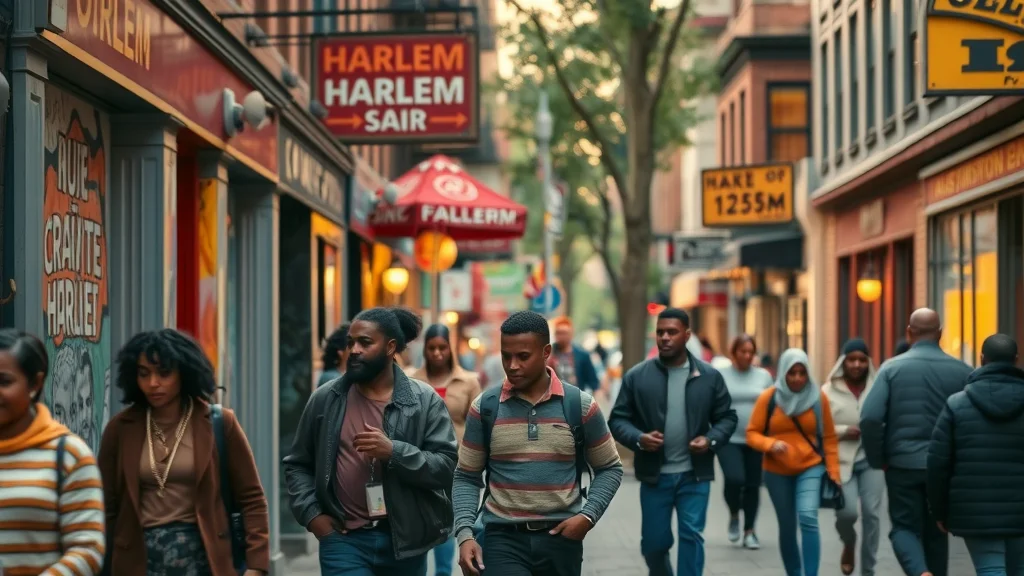
Over decades, these spaces—sometimes modest, always meaningful—witnessed Harlem’s transformation from a rural village to the epicenter of Black America. Yet as the urban landscape shifts and demographic tides turn, the role of these institutions as community anchors faces new threats.What happens to a neighborhood’s identity when its informal institutions—bodegas, record stores, eateries—go silent, unrecorded, or unnoticed?
Harlem Business History: Businesses as Community Anchors in Black America
Black Businesses of the Harlem Renaissance: Cultural and Social Hubs
Barbershops, salons, and music venues as gathering places
Restaurants as sites of activism and resilience
Harlem business as a reflection of Black America’s creativity and grit
The Harlem Renaissance wasn’t just a literary or musical explosion; it was a blossoming of black business as social structure. In the era of Powell Jr. and the Amsterdam News, black businesses became the storefronts on which Black America projected dreams, debated rights, and staged resistance. Barbershops doubled as political salons, with men and women alike discussing the latest from George Washington Carver to civil rights leaders. Jazz clubs like Small's Paradise offered safe haven and creativity for black residents—a place to dream, laugh, and organize in a city that often marginalized African Americans.
"You could walk into Sylvia’s and feel the weight of a hundred Sunday dinners."
Historic Harlem Businesses | Year | Established Role in Community
Sylvia’s Restaurant | 1962 | Landmark restaurant/gathering place
Abyssinian Baptist Church | 1808 | Spiritual/activist center
Small’s Paradise | 1925 | Jazz/nightlife/Harlem Renaissance

These businesses, owned and managed by African Americans determined to claim space in a segregated New York City, laid the foundation for Harlem as both a destination and a haven. The lessons learned, alliances forged, and innovations sparked within these walls have long outlived the fleeting headlines of the York Times or movements of real estate. Their true legacy is carried daily by Harlem residents, echoing through the laughter, arguments, and rituals that shape identity.
The Fragility of Oral History in Harlem Business History
When Harlem Businesses Close, Legacies Disappear
Oral histories passed in conversation, not in books
Stories lost with the closure of black businesses
The erasure when a greater Harlem institution loses its home
In Harlem’s black neighborhood, much of the history lives, quite literally, in conversation. Elders remember stories about the days when black tenants moved into buildings previously owned by white landlords, or when legendary beauty parlors served as safe space for black women during the hard years. These tales, woven into afternoon chats or late-night gatherings, are rarely written down. When a black business closes its doors—often erased by rising rents, shifting populations, or the invisible hand of real estate—the memories sometimes vanish overnight.
"When a business shutters, decades of unwritten history vanish from Harlem overnight."
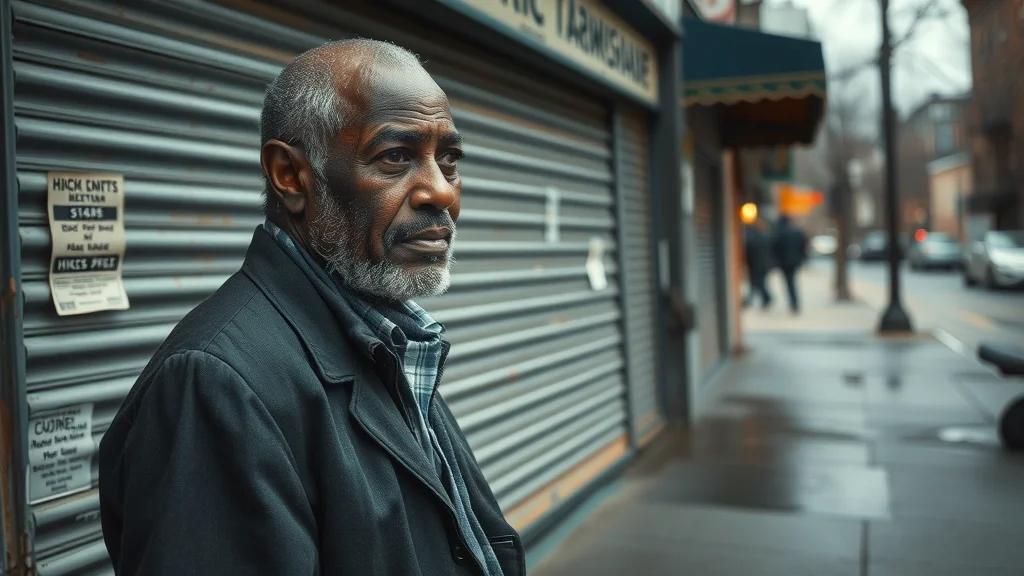
The danger isn’t just economic; it’s existential. So much of what defines greater Harlem relies on stories passed down orally. Without documentation, these narratives disappear like music fading in the distance. It means the laughter inside a beloved bakery, or the mentorship found in a Harlem barbershop, can be lost to time, never to be reclaimed by future generations.
What is Harlem Known for Historically?
Harlem’s Reputation Rooted in Black Business, Art, and Activism
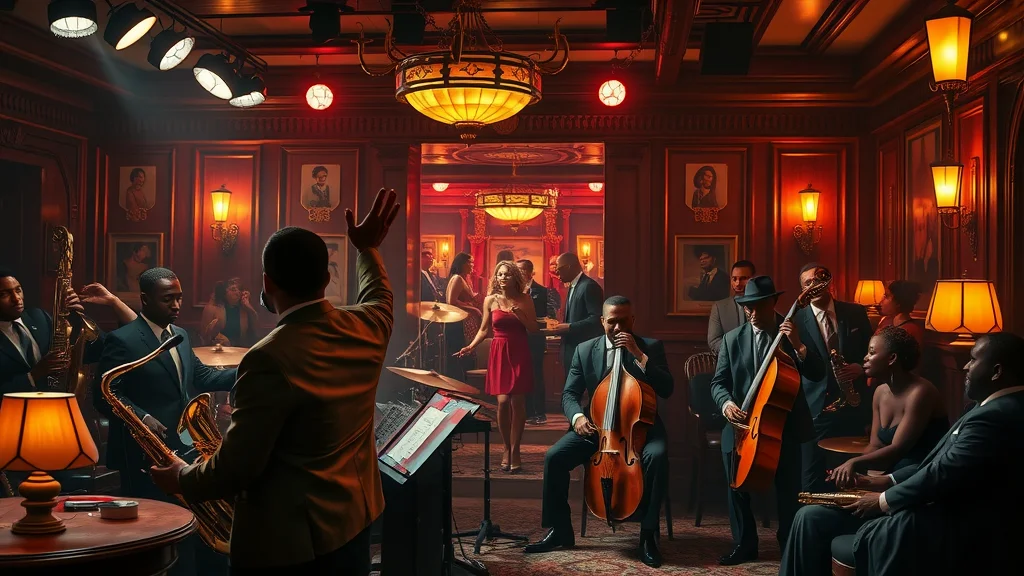
Ask about Harlem’s reputation, and most will instantly mention the Harlem Renaissance—the burst of art, music, literature, and activism that shaped the course of black America in the twentieth century. Yet, that story was built on a sturdy base of black businesses serving the needs of black people often denied services elsewhere in New York City. Harlem’s reputation is deeply intertwined with its role as a crucible of civil rights and artistic innovation: where the likes of Adam Clayton Powell Jr. organized, and where rebirth after adversity defined each new generation.
Churches such as the Abyssinian Baptist, housed in stately buildings along Lenox Avenue, weren’t just spiritual sanctuaries—they were engines of protest and social change. Jazz clubs, restaurants, beauty salons, and even realty companies became the backdrop to moments of both joy and struggle. Each institution, whether a famous cabaret or a humble bakery, left an imprint cementing Harlem’s place in not just New York, but the United States at large.
What Were the Black Owned Businesses During the Harlem Renaissance?
Salons, Jazz Clubs, and Eateries: Harlem Renaissance Entrepreneurship
During the Harlem Renaissance, the number of black owned businesses surged across the neighborhood. Beauty parlors, jazz clubs, and southern food restaurants weren’t luxuries; they were lifelines. Business leaders such as Madame C. J. Walker and investors like those behind Small’s Paradise and the Regency Realty Company built enterprises that were both commercial and communal.
Harlem eateries provided more than sustenance. They doubled as safe spaces for black Harlem residents to plot progress in a city that rarely afforded African Americans a seat at the table. Jazz venues like the Cotton Club and The Apollo not only entertained, but also provided platforms for black musicians and dancers, whose innovations redefined American culture. Behind the glamour, however, lay hard truths about survival, activism, and community in an ever-changing real estate landscape.
What Were the Black Owned Businesses in the 1920s?
Legacy of Entrepreneurship in the Early Harlem Business History

The 1920s were a remarkable time for African American entrepreneurship in greater Harlem. Beyond salons and clubs, stores and bakeries reflected black America’s ingenuity amid adversity. Owned businesses, from groceries run by black families to printing shops that published radical tracts, anchored everyday life. Community support for these ventures was unwavering, despite obstacles imposed by discriminatory lending, housing bias, and the whims of white residents or landlords.
In those years, Harlem was a beacon for black people migrating northward in search of opportunity. Shops became informal job centers. Churches operated credit unions and social clubs. The sheer variety of black businesses—bookstores, funeral homes, realty companies—demonstrated that even during the toughest decades, Harlem was rich with community spirit, determination, and cultural pride.
The Changing Landscape: From Storefronts to Search Engines in Harlem Business History
Greater Harlem’s Visual Story: What Is Seen, What Is Forgotten
Shift from traditional storefronts to digital presence
Searchability shaping what remains of harlem business memory
New businesses rising online; older ones fading from public record
In today’s Harlem, a quiet tension shapes the neighborhood’s identity. While new entrepreneurs secure their place through online maps and photo streams, older black businesses at risk of closure may fade entirely from view. A walk along Lenox Avenue or through the blocks near Central Park reveals both innovation and absence. Platforms often reward businesses that update and engage, not those whose legacy was forged before the digital age. As a result, visible history can become skewed—a record of who is seen now, not who built the foundation.
A walk along Lenox Avenue: Documenting Harlem’s business history through the lens of today
This isn’t just nostalgia. It’s a warning: Without deliberate preservation—photos, stories, names—Harlem’s archive risks being guided by algorithms, not elders. The colorful visuals we see today represent the survivors of change. The silence on a block where a beloved barbershop once stood says as much about what’s lost as about who remains.
Digital Presence as Modern Preservation in Harlem Business History
Websites, Photos, and Social Media as Cultural Record of Black Businesses
Digital documentation as today’s archive for Harlem business history
Role of images, maps, and content in preserving community memory
Challenges when black businesses have little or no online visibility
Today, a website or a shared photo often becomes the only trace of a black Harlem business’s existence. In this era, search engines are the new archives—sorting, displaying, and sometimes omitting history. Photos capture not just faces, but traditions: the annual small business owner’s celebration, Easter Sunday lines at church, or a multi-generational family meal at Sylvia’s. Social media posts, reviews, and neighborhood digital maps are becoming essential references for tomorrow’s historians, even as they challenge the tradition of oral storytelling.
"If they can’t search for you, did your story even exist?"

For many legacy black businesses, however, the move online brings its own challenges. Without the resources to promote or update their information, these critical anchors risk slipping into obscurity. The gap widens between businesses that are digitally visible and those that remain known only to local Harlem residents or surviving family members. In this way, the question of what endures in harlem business history often comes down to documentation, not merit or impact.
The Cost of Silence: What Happens When Harlem Businesses Go Undocumented
When Greater Harlem’s History Is Defined by What’s Missing
Platforms reward activity, not legacy
Lost opportunities for future generations to understand their roots
Risk that Harlem business history is rewritten by absence, not fact
What is lost when a Harlem business goes undocumented?Future generations risk never knowing about the barbershop that fostered community or the restaurant that doubled as an early civil rights headquarters. Major platforms—driven by current data, engagement, or reviews—reward activity more than legacy, meaning important chapters of Harlem’s story can become invisible overnight. The risks are clear: without archives, Harlem’s future leaders must reconstruct their past from fragments rather than foundations.
Oral history interviews: Harlem elders recounting lost businesses and changing storefronts
The cost of silence is not simply nostalgia—it is the erasure of Black America’s resilience, sacrifice, and achievement. Unrecorded, these narratives are vulnerable to revision, stereotypes, or outright invisibility, undermining both the black economy and the broader understanding of United States history.
FAQs: Harlem Business History
When Did Harlem Go Bad?
Harlem’s challenges with poverty, crime, and economic hardship grew in the 1960s and 1970s, as manufacturing jobs left New York City and real estate speculation forced many black tenants out. Despite these struggles, Harlem’s black business and community leaders continued to nurture resilience, fighting for housing rights and revitalization. The narrative of “going bad” often overlooks the persistence, activism, and creative adaptation that kept the neighborhood alive, even in its toughest decades.
Black Businesses and the Question of Legacy in Harlem Business History
Community, Memory, and the Power of Documentation
The responsibility to preserve black business narrative
How each shop, salon, or club is a vessel for lived experience
Why harlem business history must be remembered as more than commerce
Every owner, worker, or regular in Harlem—from the most storied chef to the quietest shopkeeper—carries part of the neighborhood’s legacy. The collective memory of black businesses isn’t just about commerce, but about black people defining their own destiny in the face of exclusion and adversity. When we document these places and stories, we defend not just the past, but the right of future Harlem residents to know and honor their roots.
The responsibility is shared: to remember, to record, to retell. For, as the history of greater Harlem attests, a shop can be as powerful a vessel for collective memory as any museum, and silence threatens to hollow out more than a street—it can hollow out the soul of a community.
Key Takeaways: Why Harlem Business History Matters
Harlem businesses are vital to Black America’s cultural memory
Loss of black businesses means loss of stories and identity
Digital documentation is today’s safeguard for greater Harlem’s past and present
Every harlem business is a historian, knowingly or not
Reflecting on the Future of Harlem Business History
"To honor a business in Harlem is to honor Harlem itself."
As you reflect on Harlem’s enduring legacy, consider how today’s businesses—both historic and new—continue to shape the neighborhood’s evolving story. The journey from storied jazz clubs to modern retail spaces is ongoing, and each chapter adds new dimensions to Harlem’s vibrant identity. If you’re interested in seeing how contemporary enterprises are contributing to this living history, discover how local establishments like Gap Factory and other modern businesses are weaving themselves into the fabric of the community. Exploring these connections can offer fresh perspective on how tradition and innovation coexist, ensuring Harlem’s story remains dynamic and relevant for generations to come.
If You’re Wondering About Your Visibility—Let Us Know
Curious how your business shows up online today?Get a quick, no-pressure visibility review by emailing [email protected]
The Harlem Renaissance was a pivotal era that transformed Harlem into a cultural and economic hub for African Americans. This period saw a surge in Black-owned businesses, which became centers of social and artistic life. For a comprehensive overview of this transformative time, consider reading Harlem Renaissance - Definition, Artists & How It Started. This resource delves into the origins and impact of the Harlem Renaissance, highlighting how it fostered a thriving community of Black entrepreneurs and artists. Understanding the historical context of Harlem’s business landscape provides valuable insights into the resilience and creativity that have shaped the neighborhood. If you’re interested in exploring the rich tapestry of Harlem’s past, these resources offer a solid foundation.
